AI Trade Promotion Management Case Study: How a Global CPG Brand Achieved 24% ROI Improvement
When a leading global snacks and confectionery manufacturer with operations across 47 countries faced declining promotional effectiveness in their North American division, the situation had reached a critical inflection point. Trade promotion spending had increased 14% over three years while measurable promotional lift had decreased by 8% during the same period. Category managers were drowning in spreadsheets, making promotional decisions based on incomplete data and institutional memory rather than rigorous analytics. Retailers were demanding more sophisticated promotional strategies while private label competition eroded shelf facings. The executive team recognized that incremental improvements to existing processes would no longer suffice—they needed a fundamental transformation in how trade promotions were planned, executed, and optimized.
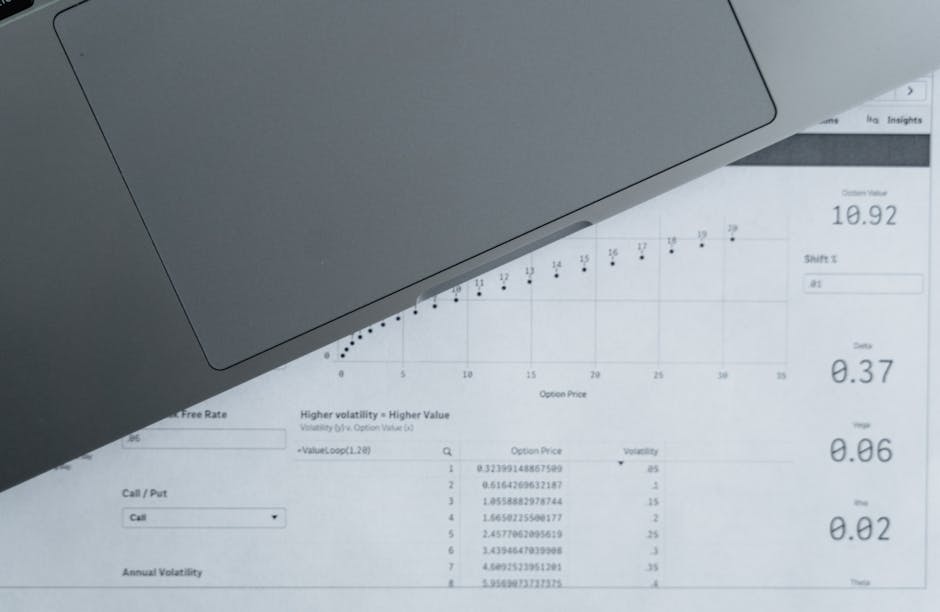
The company's journey to implement AI Trade Promotion Management across their North American operations provides a detailed blueprint for CPG brands facing similar challenges. Over 18 months, the organization achieved a 24% improvement in Trade Promotion ROI, reduced non-working trade spend by 31%, and improved promotional forecast accuracy from 64% to 89%. Perhaps more importantly, they fundamentally changed how category managers, field sales teams, and retail partners collaborated on promotional planning. This case study examines the specific decisions, challenges, and lessons that defined their transformation journey.
The Starting Point: Quantifying the Promotional Effectiveness Crisis
Before any AI implementation could begin, the company needed to understand exactly where promotional performance was breaking down. They commissioned a comprehensive six-week diagnostic that analyzed three years of promotional data across their portfolio of 127 SKUs sold through 14 major retail partners. The findings were sobering but clarifying.
Promotional lift varied wildly even for similar activations: the same product promoted at the same discount depth through the same retailer could generate anywhere from 12% to 73% incremental volume depending on timing, competitive activity, and factors the organization hadn't been systematically tracking. Roughly 35% of promotions were destroying value—generating less incremental profit than the trade spend invested. High-performing promotions were being under-funded while low-performers received continued investment based on outdated assumptions about what drove consumer response.
The diagnostic also revealed significant capability gaps. Category managers were spending 60-70% of their time on promotional administration and reporting rather than strategic analysis. Promotional planning relied heavily on the previous year's calendar with modest adjustments, missing opportunities to optimize timing, depth, and channel mix. Post-promotion analysis was superficial and inconsistent, preventing organizational learning from accumulated experience.
Defining Clear Objectives and Success Metrics
With the baseline established, leadership defined specific objectives for their AI Trade Promotion Management transformation. Rather than vague goals around "better decisions" or "improved efficiency," they set measurable targets: increase promotional ROI by 20% within 18 months, improve forecast accuracy to above 85%, reduce category manager time spent on promotional administration by 40%, and increase the percentage of value-creating promotions from 65% to 90%.
Critically, they also defined how success would be measured. A cross-functional team developed a comprehensive measurement framework that tracked not just overall ROI, but granular metrics by category, retail partner, promotion type, and season. They established control groups where traditional planning methods would continue alongside AI-driven approaches, enabling rigorous before-and-after comparison.
Building the Data Foundation for Promotional Analytics AI
The most time-consuming phase of the implementation focused on data infrastructure—unglamorous work that proved essential to eventual success. The company's promotional data existed across six different systems: their TPM platform, retailer POS feeds, syndicated market data, a supply chain planning system, a customer relationship management database, and various spreadsheets maintained by individual category managers.
Over four months, a dedicated team worked to integrate these sources into a unified data environment. They standardized product hierarchies across systems, resolved conflicts where the same promotion was recorded differently in multiple databases, and implemented automated data quality checks that flagged anomalies. They enriched promotional records with contextual data that hadn't been systematically captured before: local weather conditions, competitor promotional activity, retailer traffic patterns, and regional events.
This phase revealed numerous data quality issues that had been undermining previous analysis. A major retailer's POS data feed had been misconfigured for 18 months, understating promotional lift by 15-20%. Promotional spending records for co-marketing programs were incomplete, making true ROI calculation impossible. Several promoted SKUs had been assigned to incorrect categories, skewing portfolio analysis.
The Investment in Data Quality
The company ultimately invested $2.3 million in data infrastructure and quality improvements before any AI models were developed. While this upfront cost exceeded initial budgets, leadership recognized that sophisticated algorithms applied to poor-quality data would produce sophisticated but unreliable recommendations. As one executive noted, they were building the foundation for not just this AI initiative, but for years of advanced analytics capabilities across the organization. The investment in discovering and exploring custom AI solutions required this level of data maturity to deliver sustained value.
Developing and Validating AI Models for Trade Promotion Optimization
With clean, integrated data in place, the organization partnered with a specialized analytics firm to develop AI models tailored to CPG promotional dynamics. Rather than a single monolithic model, they created an ensemble of specialized algorithms that addressed different aspects of promotional optimization.
A demand forecasting model predicted baseline and promotional volumes at the SKU-retailer-week level, incorporating seasonality, trend, and causal factors like pricing, distribution, and competitive activity. A promotional response model quantified how different promotion mechanisms—temporary price reductions, multi-buy offers, display features, advertising support—impacted consumer purchase behavior. A budget optimization model allocated limited trade spending across opportunities to maximize total return. A cannibalization model predicted portfolio effects when promoting specific SKUs.
Model development took five months and involved extensive collaboration between data scientists and category managers. The team deliberately over-invested in model interpretability, ensuring category managers could understand why the AI recommended specific actions. Each recommendation came with explanations highlighting the key factors driving the suggestion and confidence levels indicating prediction certainty.
The Validation Phase That Prevented Costly Mistakes
Before full deployment, the company ran an extensive three-month validation pilot across two product categories and four retail partners. AI-generated recommendations were compared against traditional planning methods, with both approaches executed in parallel. The pilot revealed critical issues that would have undermined a full-scale rollout.
The initial models significantly over-predicted promotional lift for new product launches, having trained primarily on established products with stable demand patterns. They under-weighted the importance of retailer-specific strategic considerations, sometimes recommending reduced spending with strategically important partners. The forecast accuracy for promotional timing was strong, but recommendations for optimal discount depth were less reliable.
The validation phase allowed model refinement before scaling. Data scientists adjusted algorithms to handle new products differently, category managers worked with the team to incorporate retailer relationship factors, and additional training data for pricing decisions improved discount recommendations. This measured approach meant full deployment began with models that had already proven effectiveness in real-world conditions.
Scaling AI Trade Promotion Management Across the Organization
Full-scale implementation rolled out in phases over six months, beginning with categories and retail partners where validation results had been strongest. Each phase included comprehensive training for category managers and field sales teams, focusing not just on system operation but on how to effectively collaborate with AI recommendations.
The company deliberately designed workflows that positioned AI as augmenting rather than replacing human judgment. Category managers reviewed AI-generated promotional plans, could override specific recommendations with documented rationale, and provided feedback that improved future suggestions. Field sales teams used AI insights in retailer negotiations but retained final authority over promotional commitments.
Change management proved as important as the technology itself. Early in the rollout, a senior category manager publicly questioned an AI recommendation during a planning meeting. Rather than dismissing the concern, leadership encouraged investigation. The category manager's intuition proved correct—the AI had missed a retailer's upcoming store format test that would significantly impact the promotion. This example, and leadership's response, demonstrated that AI was a tool to enhance decision-making rather than a mandate to be blindly followed, increasing organizational trust and adoption.
The Technology Infrastructure Supporting Daily Operations
The company invested in user interfaces that integrated AI recommendations directly into category managers' existing workflows rather than requiring separate systems. Promotional plans appeared in familiar TPM software, enhanced with AI-generated insights, confidence scores, and scenario comparisons. Mobile dashboards allowed field teams to access real-time promotional performance data and AI-powered alerts about activations requiring attention.
Behind the scenes, the infrastructure supported continuous model updating as new promotional results became available. Weekly automated processes retrained models with the latest data, ensuring recommendations reflected current market conditions rather than historical patterns that might no longer apply.
Results: Quantifying the Business Impact of AI-Driven Promotional Analytics
Eighteen months after beginning the transformation, the results significantly exceeded initial targets. Overall promotional ROI improved by 24%, representing approximately $47 million in incremental profit on $580 million in annual trade spend. The percentage of value-creating promotions increased from 65% to 92%, effectively eliminating the most egregious waste in promotional spending.
CPG Trade Spend Optimization benefits appeared across multiple dimensions. Forecast accuracy for promoted volumes improved from 64% to 89%, dramatically reducing supply chain costs associated with promotional stockouts and excess inventory. Category managers reported spending 45% less time on promotional administration, reallocating this capacity to strategic initiatives like new product launch planning and emerging channel development.
Specific categories demonstrated even stronger results. The company's beverage portfolio achieved a 31% ROI improvement by optimizing promotional timing around weather patterns and local events, factors the AI could process at scale but human planners couldn't systematically incorporate. Snack products improved promotional efficiency by 28% through better coordination of cross-promotional strategies, with AI identifying complementary SKU combinations that maximized total basket value.
Qualitative Benefits Beyond the Numbers
Beyond quantifiable metrics, the organization experienced significant qualitative improvements. Retailer partners reported that promotional planning conversations had become more strategic and data-driven, strengthening collaborative relationships. Category managers expressed higher job satisfaction, spending more time on strategic thinking and less on spreadsheet manipulation. The marketing organization gained confidence in promotional forecasts, enabling better creative campaign planning and media coordination.
Key Lessons for CPG Brands Pursuing AI Trade Promotion Transformation
Reflecting on the 18-month journey, the company's leadership identified several lessons that would inform future AI initiatives and could benefit other CPG brands pursuing similar transformations.
First, data infrastructure deserves more attention and investment than most organizations initially anticipate. The temptation to rush into model development is strong, but inadequate data quality will undermine even the most sophisticated algorithms. The company estimated that their upfront investment in data integration and quality delivered 3-4x returns through improved model accuracy and broader analytics capabilities.
Second, change management cannot be an afterthought. Technical AI capabilities matter far less than organizational adoption and effective human-AI collaboration. Investing in training, designing for interpretability, and creating workflows that respect human expertise while leveraging AI insights proved essential to capturing value.
Third, starting with clear, measurable objectives and rigorous measurement frameworks differentiates successful transformations from disappointing ones. The ability to quantify impact, identify what was working and what wasn't, and course-correct based on data enabled continuous improvement throughout the journey.
Fourth, validation before full-scale deployment prevented costly mistakes. The pilot phase was frustrating for executives eager to scale quickly, but catching and correcting model limitations before widespread rollout saved the organization from undermining trust in AI systems across the entire commercial organization.
Conclusion: From Transformation to Continuous Improvement
The company's AI Trade Promotion Management transformation delivered exceptional results, but leadership views the 18-month implementation as the beginning rather than the end of their journey. They continue expanding AI capabilities into adjacent areas like customer-specific assortment optimization, planogram compliance monitoring, and predictive identification of distribution opportunities. The data infrastructure and organizational capabilities developed through trade promotion optimization now enable broader applications of advanced analytics across their commercial operations. As the technology landscape evolves and capabilities like AI Agents for Sales mature, the foundation they've built positions them to quickly leverage new innovations. For CPG brands still relying on traditional promotional planning methods, this case study demonstrates both the significant value at stake and the disciplined approach required to capture it. The gap between AI leaders and laggards in promotional effectiveness will only widen in coming years, making the decision to begin this transformation increasingly urgent for brands committed to maintaining competitive position in an industry where every point of market share and every basis point of margin matters.


Comments
Post a Comment