Essential Resources for AI in Architectural Practice: Tools & Frameworks
The integration of artificial intelligence into architectural workflows has moved beyond theoretical possibility into practical necessity. Firms implementing AI in Architectural Practice are discovering unprecedented capabilities in design visualization, construction documentation, and project delivery optimization. Yet navigating the expanding ecosystem of AI tools, frameworks, educational resources, and professional communities requires strategic guidance. This comprehensive roundup consolidates the essential resources that architectural professionals need to successfully implement AI technologies across design development, BIM workflows, sustainability consulting, and construction oversight.
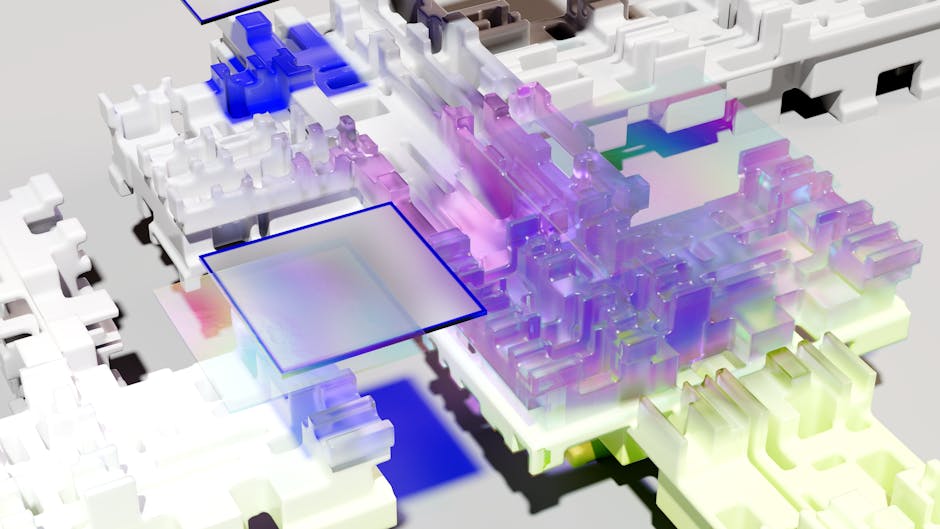
Whether you're leading design at an established firm or exploring computational design possibilities, understanding AI in Architectural Practice requires access to proven tools and frameworks that address real workflow challenges. This resource collection spans AI-powered design software, machine learning frameworks for building performance analysis, professional development platforms, and industry communities advancing the state of practice. Each resource has been selected based on adoption within leading firms and relevance to core architectural functions from conceptual design through post-occupancy evaluation.
AI-Powered Design and Visualization Tools
The foundation of AI in Architectural Practice begins with tools that enhance design visualization and generative design capabilities. Autodesk's Generative Design within Revit leverages machine learning algorithms to generate thousands of design alternatives based on project constraints, performance criteria, and material specifications. Architecture firms use this capability during conceptual design development to explore solutions that balance aesthetic objectives with structural performance and sustainability targets. The tool integrates directly into existing BIM workflows, allowing teams to maintain model continuity from concept through construction documentation.
NVIDIA Omniverse has emerged as a powerful platform for real-time collaborative design visualization. The system enables multidisciplinary teams to work simultaneously within photorealistic 3D environments, using AI-enhanced rendering to generate high-quality visualizations in fractions of the time required by traditional rendering engines. Firms implementing Omniverse report dramatic improvements in client presentation quality and the ability to conduct real-time design reviews with distributed project teams. The platform's AI capabilities extend to material simulation, lighting analysis, and environmental context modeling.
Spacemaker by Autodesk applies AI specifically to site analysis and early-stage massing studies. The platform analyzes site constraints including solar exposure, wind patterns, noise propagation, and view corridors to generate optimized building configurations. This capability proves particularly valuable for complex urban infill projects where regulatory compliance intersects with design ambition. Architecture firms use Spacemaker to compress weeks of iterative site analysis into hours, generating data-backed design rationales that strengthen permitting submissions and client presentations.
Computational Design Frameworks
Grasshopper with machine learning plugins such as Lunchbox AI and Owl extends parametric design capabilities into predictive modeling territories. These frameworks allow architects to train custom AI models on project-specific datasets, enabling pattern recognition in design precedents, performance prediction for building systems, and automated optimization of facade systems. The integration requires computational design expertise but delivers unprecedented control over generative design processes tailored to firm-specific design methodologies.
BIM and Construction Management AI Solutions
BIM AI Integration represents a critical frontier where artificial intelligence enhances coordination, clash detection, and construction planning. Testfit applies machine learning to feasibility analysis, automatically generating code-compliant building layouts optimized for construction efficiency and development economics. The platform has become standard practice for firms conducting early-stage due diligence on speculative development projects, reducing feasibility study timelines from weeks to days while improving accuracy of cost estimation and unit mix optimization.
Alice Technologies brings AI Construction Management capabilities to construction sequencing and scheduling. The platform analyzes construction methodologies, resource availability, and project constraints to generate optimized construction schedules that minimize duration and cost. General contractors and design-build firms use Alice to evaluate multiple construction approaches during preconstruction, identifying scheduling strategies that reduce risk and improve project delivery predictability. This represents a significant advancement beyond traditional critical path scheduling methods.
Firms pursuing sophisticated custom AI solutions are developing proprietary tools for project-specific challenges. These implementations range from automated RFI response systems that analyze construction documents using natural language processing to predictive models that forecast scope creep risk based on historical project data. Custom development requires collaboration between architectural technologists and AI developers but enables competitive differentiation through proprietary capabilities.
Reconstruct.ai provides AI-powered reality capture analysis for construction oversight. The platform processes site photography and laser scanning data to automatically track construction progress, identify deviations from approved plans, and generate progress documentation. This capability transforms construction administration workflows by reducing site verification time and improving accuracy of as-built documentation. Architecture firms conducting construction oversight report significant time savings and earlier identification of construction discrepancies.
Sustainability Analysis and Performance Prediction
AI Design Visualization extends into building performance simulation through platforms like cove.tool, which applies machine learning to energy modeling and LEED certification documentation. The platform automates the iterative energy analysis process that traditionally consumes substantial time during design development, enabling architects to evaluate hundreds of sustainability strategies in minutes. Firms pursuing high-performance design use cove.tool to identify cost-effective pathways to aggressive energy targets, supporting value engineering discussions with data-backed performance projections.
Sefaira integrates environmental performance analysis directly into design workflows, using AI to predict daylight performance, thermal comfort, and energy consumption in real time as designs evolve. This immediate feedback loop enables performance-driven design decisions during conceptual phases when design flexibility remains high and sustainability improvements cost less to implement. The platform supports compliance documentation for LEED, WELL, and other certification systems by automating much of the required performance verification.
Educational Resources and Professional Development
Advancing expertise in AI in Architectural Practice requires structured learning beyond software training. The AIA offers continuing education courses specifically addressing AI implementation in design practice, covering both technical capabilities and professional responsibility considerations. These courses provide PDH credits while grounding AI adoption in the ethical and contractual frameworks governing architectural practice.
MIT's Architecture Intelligence Lab publishes research and case studies documenting AI applications in architectural design, providing theoretical foundation for practical implementation. Their work addresses fundamental questions about computational creativity, human-AI collaboration in design processes, and the implications of algorithmic design generation for architectural authorship. This academic perspective balances vendor-provided training with critical analysis of AI's role in design practice.
LinkedIn Learning and Coursera offer specialized courses on machine learning for architects, computational design with Python, and AI-enhanced BIM workflows. These platforms provide flexible learning pathways for practitioners seeking to develop technical capabilities without formal computer science education. Course content ranges from introductory AI concepts to advanced implementations of neural networks for architectural applications.
Professional Communities and Forums
The Computational Design community on Discord has become a primary venue for architects and designers sharing AI implementation experiences, troubleshooting technical challenges, and collaborating on open-source tools. The community includes channels dedicated to generative design, machine learning applications, and parametric modeling, facilitating peer learning across firm boundaries. Active participation provides access to emerging techniques before they appear in commercial software releases.
The Building AI community specifically focuses on artificial intelligence applications in architecture, engineering, and construction. Regular virtual meetups feature presentations from practitioners implementing AI in real projects, providing practical insights into both technical implementation and organizational change management. The community maintains a resource library of case studies, implementation guides, and tool comparisons.
GitHub repositories such as Ladybug Tools and Topologic provide open-source frameworks for environmental analysis and spatial reasoning that incorporate machine learning capabilities. These resources enable firms to implement sophisticated analysis capabilities without licensing costs, though they require programming expertise to deploy effectively. Active developer communities support these tools through documentation, tutorials, and collaborative development.
Industry Publications and Research
Technology Architecture and Design publishes regular coverage of AI adoption in leading firms, providing context on how practices like Gensler and HOK are integrating artificial intelligence into design delivery workflows. These case studies offer valuable perspective on implementation challenges, team skill development, and measuring return on investment for AI technology adoption.
The Journal of Computational Design and Engineering provides peer-reviewed research on AI methodologies applicable to architectural practice. Publications cover topics ranging from machine learning for structural optimization to natural language processing for building code compliance verification. This academic rigor complements practitioner-focused resources with theoretical foundations and empirical validation.
Conclusion
Successfully implementing AI in Architectural Practice requires strategic navigation of an expanding ecosystem of tools, frameworks, and educational resources. This roundup provides entry points across design visualization platforms, BIM integration tools, sustainability analysis systems, and professional development pathways. Firms beginning AI adoption should prioritize resources that integrate with existing workflows and address specific pain points in project delivery, gradually expanding capabilities as teams develop expertise. The architectural profession stands at an inflection point where AI literacy increasingly separates competitive practices from those struggling with efficiency and innovation challenges. For professionals in adjacent technology domains, solutions like AI Agents for IT demonstrate parallel transformations occurring across industries. The resources compiled here provide the foundation for architectural professionals to participate actively in shaping how artificial intelligence enhances rather than replaces human creativity in the built environment.


Comments
Post a Comment