Maximizing Efficiency: Best Practices for Production Line Automation
For seasoned professionals in manufacturing, the landscape of Production Line Automation continues to evolve with technological advancements. As practitioners aim for maximized efficiency and reduced operational costs, understanding best practices in production line automation becomes critical. This article outlines effective strategies to leverage existing technological capabilities and innovate within manufacturing processes.
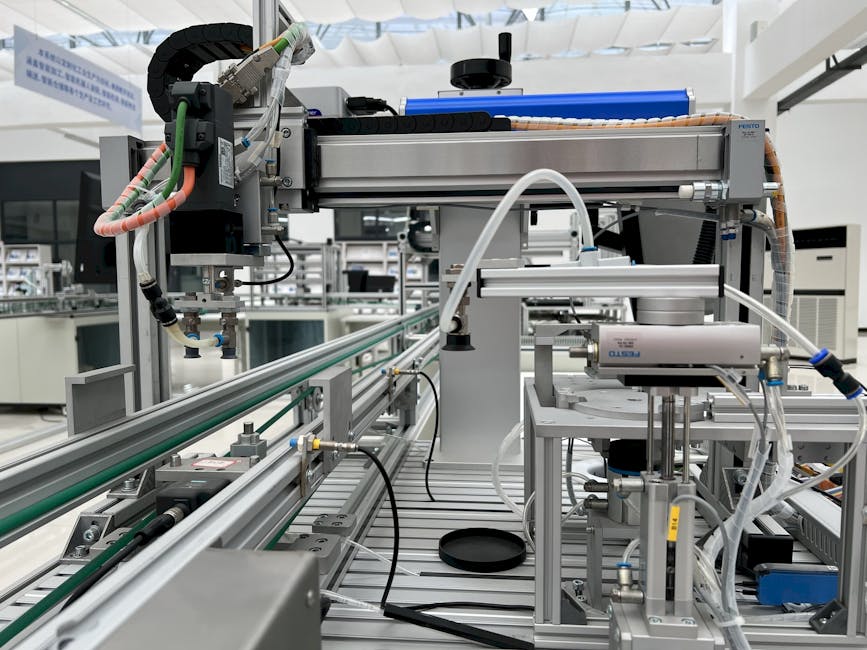
As manufacturers like Fanuc shift toward smart factory integration, the need for a deep understanding of Production Line Automation principles is paramount. This understanding enables manufacturers to not only optimize throughput but also address specific pain points like supply chain disruptions and quality management.
Establishing Benchmarks for Success
Implementing production line automation without established benchmarks can lead to suboptimal outcomes. Begin by measuring current performance metrics, such as Overall Equipment Effectiveness (OEE), production throughput, and cycle times. Benchmarking allows organizations to set realistic goals and track improvement post-automation.
Consider employing a mix of real-time quality control measures and predictive maintenance tools. These methodologies ensure that disruptions are minimized and that quality standards are consistently met across production runs.
Optimizing the Role of Robotics in Production
Robots are vital in modern production settings, capable of executing repetitive tasks with high precision. However, effectively utilizing robotic process automation (RPA) requires a strategic approach:
- **Smart Sensor Integration**: Equip robots with smart sensors that enable real-time data collection to optimize performance.
- **Flexible Automation**: Invest in collaborative robots that can adapt to different tasks, thereby maximizing equipment utilization.
- **Training and Support**: Continuous training programs for staff on leveraging robotics technologies ensure a smoother interface between human operators and machines.
Leveraging Data for Continuous Improvement
The power of data in production line automation is often underestimated. Use data-driven process adjustments to fine-tune operations:
Implement machine learning algorithms for maintenance scheduling. Predictive maintenance approaches can lead to decreased downtime and extended machinery life. Furthermore, utilize advanced AI solutions to gain insights from production data, uncovering further optimization opportunities.
Conclusion
As practitioners, the stability and growth of your manufacturing processes hinge on the strategic use of Automation Integration Services. These services not only assist in implementing cutting-edge technologies but also facilitate a culture of continuous improvement essential for staying ahead in today's competitive landscape.


Comments
Post a Comment