AI Autonomy in Industrial Automation: Future Trends and Predictions
The industrial landscape is rapidly evolving, and AI Autonomy in Industrial Automation is at the forefront of this transformation. As factories transition towards becoming smart facilities, the integration of advanced AI technologies into their processes is becoming more critical than ever. The journey from traditional automation to fully autonomous systems is poised to redefine manufacturing as we know it.
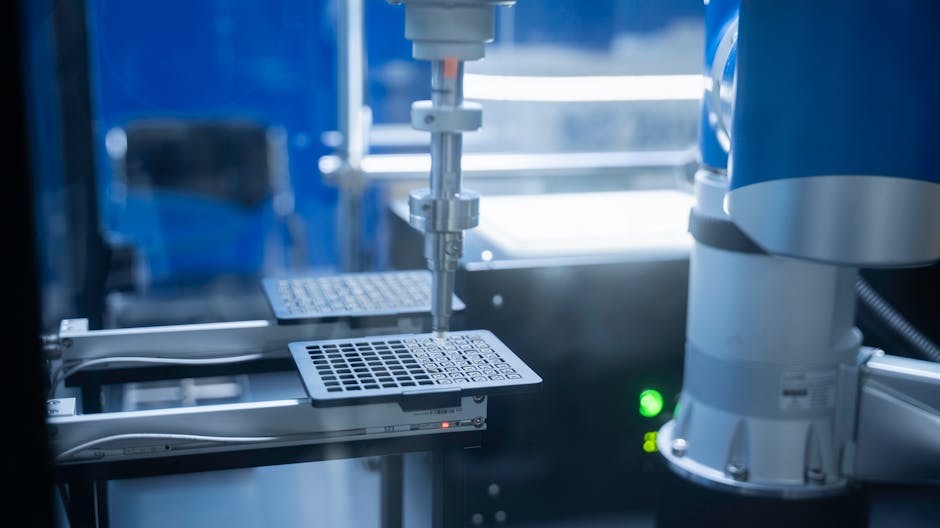
One emerging trend in this space is the shift from automated processes to autonomous systems that have the capability to learn and adapt in real-time. This evolution underscores the significance of AI Autonomy in Industrial Automation. The deployment of AI agents across diverse manufacturing systems enhances process efficiency and operational excellence.
The Next Generation of Smart Factories
Smart factories are becoming the cornerstone of modern industrial ecosystems. These environments leverage AI-driven technologies for predictive maintenance, improving yield and quality along automated production lines, and ensuring real-time process visibility. The integration of Industrial IoT solutions is pivotal in this transformation, providing a foundation for seamless connectivity and data-driven decision-making.
As AI continues to advance, we foresee a trend towards greater autonomy in manufacturing operations. Industry leaders like Siemens and Rockwell Automation are pioneering these changes, setting new standards for automation and efficiency.
Enhancing Efficiency with AI Agents
AI agents are transforming the landscape of manufacturing by enabling more efficient process optimization. These intelligent systems are capable of learning from past data and making informed decisions, thereby minimizing downtime and maximizing OEE. Real-time analytics provided by SCADA and MES facilitate these autonomous processes, enabling factories to adapt and respond swiftly to market demands.
Significance of AI Solution Development
The creation of an intelligent manufacturing environment requires robust AI solution development. Partnering with specialists like ZBrain can be invaluable, as they offer the expertise and tools needed to develop and deploy custom AI solutions tailored to specific industrial needs. Learn more about AI solution development, and how it can enhance your manufacturing operations.
Conclusion
In conclusion, the shift towards AI autonomy is not just a trend but a necessary evolution in industrial automation. As AI agents become increasingly integrated into manufacturing workflows, their ability to operate autonomously will continue to redefine processes, optimize resource use, and elevate production dynamics. To fully leverage these advancements, an understanding of systems like the Autonomous Enterprise System is crucial for driving future growth and sustaining competitive advantage.


Comments
Post a Comment